In today’s world, many people spend a lot of time on the internet. They watch videos, play games, chat with friends, and visit websites. The internet can be fun and helpful, but not all websites are safe or kind. Some websites may look interesting, but can be dangerous or hurtful. One of these names people may hear about is “AnonIB AZN.”
Let’s learn what this name means and why it’s important to be smart, safe, and respectful online. We will talk about a new and trending topic: how young people can protect themselves online and help make the internet a better place for everyone.

What is “AnonIB AZN”?
First, let’s understand the name.
- Anon stands for anonymous. That means someone who does not share their name.
- IB once stood for an image board, a kind of website where people post pictures.
- AZN is a short way some people use to say Asian, often about girls or women.
When you put all these together, “AnonIB AZN” was used to name a part of a website where people posted pictures of Asian girls, many times without their permission.
This kind of behavior is not good and not safe.
Why Is It Wrong to Share Private Pictures?
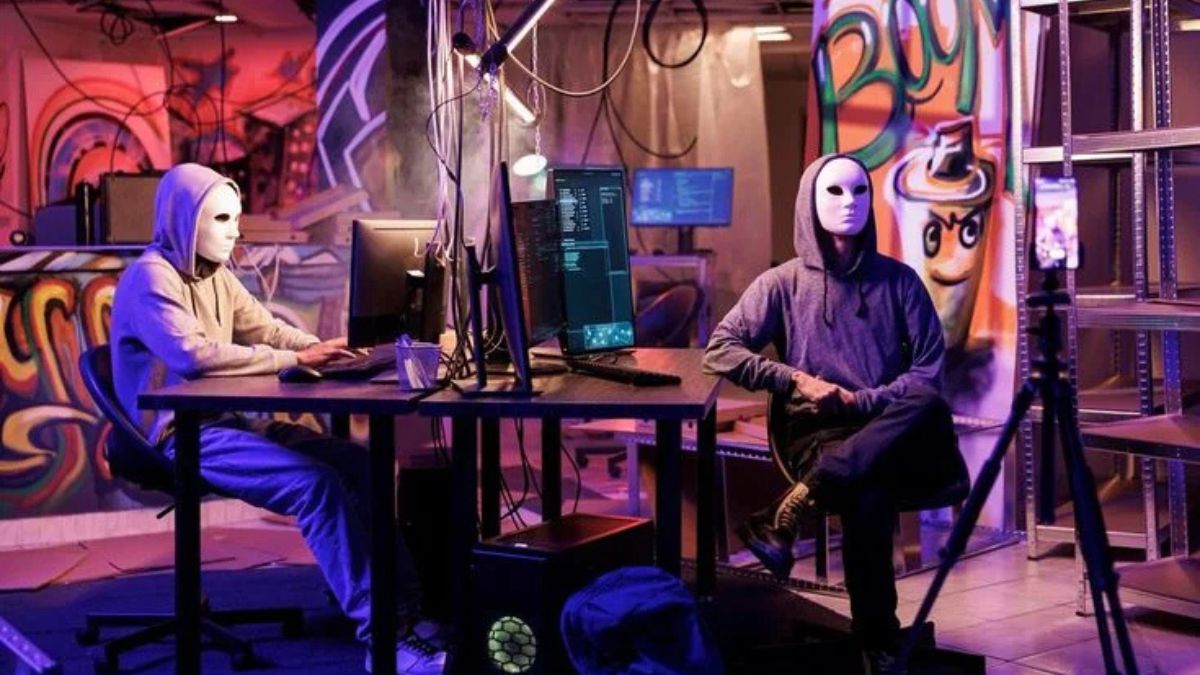
Some people think it is funny or cool to post pictures of others without asking them first. But this is very hurtful. Imagine someone takes your photo from your phone or social media and shares it with strangers. You would feel:
- Scared
- Embarrassed
- Sad
- Angry
It is wrong to take someone’s private photo and share it without their permission. It can ruin friendships, harm families, and even break laws.
The Problem with Anonymous Sites
Websites like AnonIB let people post things without showing their real name. This can be dangerous because:
- People feel free to be mean
- There are no rules or kindness
- Strangers can lie and cheat
- It becomes a place for bullying or worse
Some people use anonymous sites to harm others, share inappropriate pictures, or spread hate. That is why these sites are not safe for anyone, especially not for children or teenagers.

Why Should We Talk About It?
Some kids and teens might hear about websites like this from others or see links by accident. That’s why we must talk about it in a simple way.
When we talk, we learn:
- How to protect ourselves
- How to help friends stay safe
- Why kindness and respect matter
- What to do if we see something wrong
Talking helps make the internet a better place.
What Is Safe to Share Online?
Not everything should be shared online. Here’s a simple list to follow:
 Safe to share:
- Your hobbies
- School projects
- Art and drawings
- Nature pictures
- Happy news
 Not safe to share:
- Home address
- School name
- Personal photos in private clothes
- Family pictures without asking
- Anything that feels uncomfortable
If something feels wrong, it probably is.
What Should You Do If You See Something Bad Online?
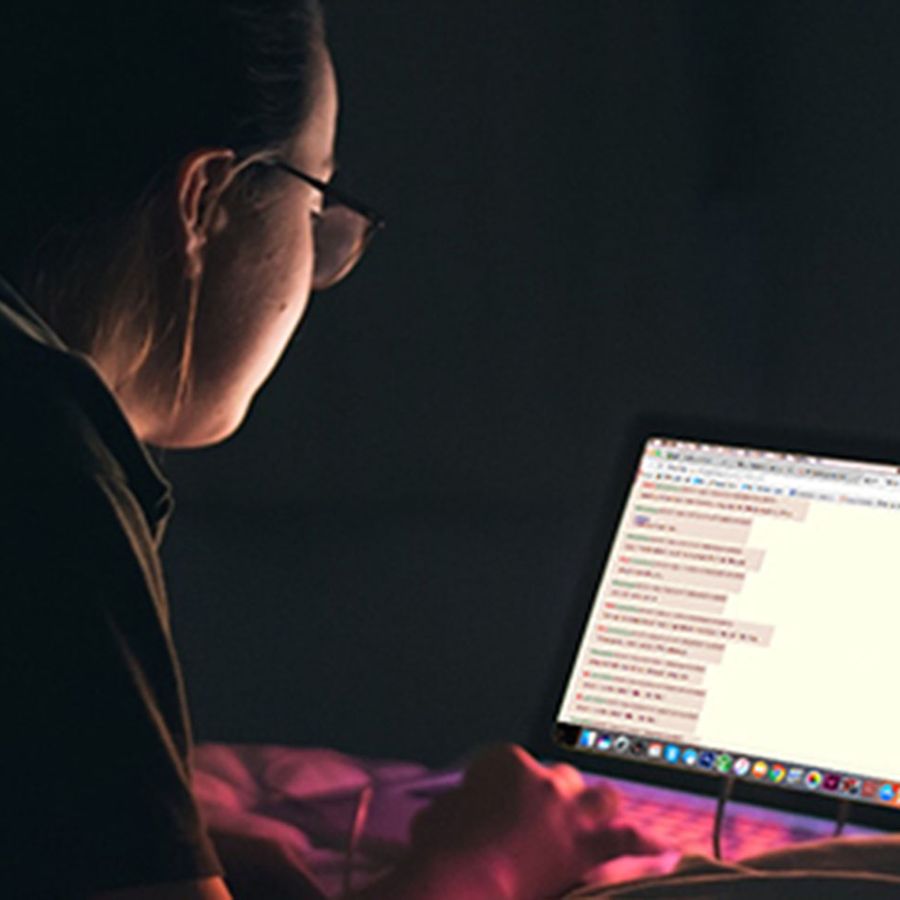
If you see a bad website or someone shares something hurtful or private, don’t panic. Here’s what to do:
- Don’t click again
Close the website or app. - Tell a trusted adult
This could be a parent, teacher, or school counselor. - Do not reply or share it
Never pass it to others. - Report it
Many websites have a report button to stop bad content. - Block the person
If someone is being mean or creepy, block them.
A New Trend: Online Respect Movement
Right now, more and more young people are joining a new trend. It’s called the Online Respect Movement. This means kids, teens, and adults are working together to make the internet:
- Safer
- Kinder
- Smarter
Here’s how the trend is growing:
- Students are making clubs in schools to talk about online safety.
- Artists are drawing posters and cartoons about respect.
- Teachers are using fun lessons to teach kids about internet rules.
- Friends are reminding each other to be kind online.
This is a trend that makes real change, and you can be a part of it!

How to Be a Digital Hero
A Digital Hero is someone who uses the internet in a good and smart way. You can be one too! Here are some ways:
Protect others – Don’t let people post mean or hurtful things.
Speak up – If someone is bullied or hurt online, support them.
Think before you post – Ask, “Would I want someone to say this to me?”
Spread kindness – Share happy and helpful messages.
Learn the rules – Know what’s safe and what’s not.
Words to Remember
Let’s learn a few easy words that help us remember how to stay safe online:
- Permission – Always ask before posting someone else’s photo.
- Privacy – Some things are meant to stay just with you.
- Respect – Treat others kindly, even online.
- Responsibility – You are in charge of your choices.
- Report – If something is bad or unsafe, tell someone.
These words are like tools you can use anytime you’re online.

What If You Made a Mistake?
Nobody is perfect. If you did something online that hurt someone, it’s okay to say:
- “I’m sorry.”
- “I didn’t know that was wrong.”
- “I’ll do better next time.”
We all learn and grow. What matters is doing the right thing once you know better.
Parents and Teachers: Helping Kids Stay Safe
Parents and teachers play a big role, too. They can:
- Talk openly with kids
- Use child-safe filters
- Teach online safety in fun ways
- Listen and support without blame
Together, we can build a world where the internet is a happy, smart, and safe place. Websites like “AnonIB AZN” may seem exciting or funny to some, but they are dangerous and hurtful. We must choose to use the internet with care, respect, and love.