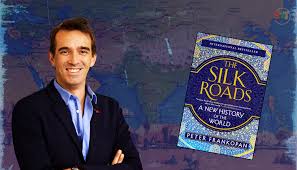
Peter Frankopan is a well-known British historian who wrote a famous book called The Silk Roads A New History of the World. This book has been praised all around the world for the way it tells the story of history. Instead of focusing only on Europe and the West, like most history books, Frankopan shifts the focus to the Middle East, Central Asia, India, and China—the heart of the ancient trade routes called the Silk Roads.
In this article, we will learn about Peter Frankopan, what the Silk Roads were, what his book is about, and why it is so important today.
)
Who is Peter Frankopan?
Peter Frankopan was born in the United Kingdom in 1971. He is a professor of global history at Oxford University. He speaks several languages and is interested in the history of different parts of the world, not just Europe.
Frankopan believes that to understand today’s world, we need to look at the whole world’s history—not just from a Western view. That’s why he decided to write about the Silk Roads, which connect the East and the West through trade, travel, culture, religion, and ideas.
What are the Silk Roads?
The Silk Roads were not just one road. They were a group of trade routes that connected countries from China in the East to Europe in the West. These roads were active for thousands of years.
Traders, travelers, soldiers, and religious people used these routes to move goods like silk, spices, gold, silver, paper, and glass. But they didn’t just trade goods—they also traded ideas, cultures, and beliefs.
Some of the key areas along the Silk Roads include:
- China
- India
- Persia (Iran)
- Mesopotamia (Iraq)
- Arabia (Middle East)
- Central Asia (like Uzbekistan and Kazakhstan)
- The Mediterranean (Greece, Rome, etc.)

What Is the Book About?
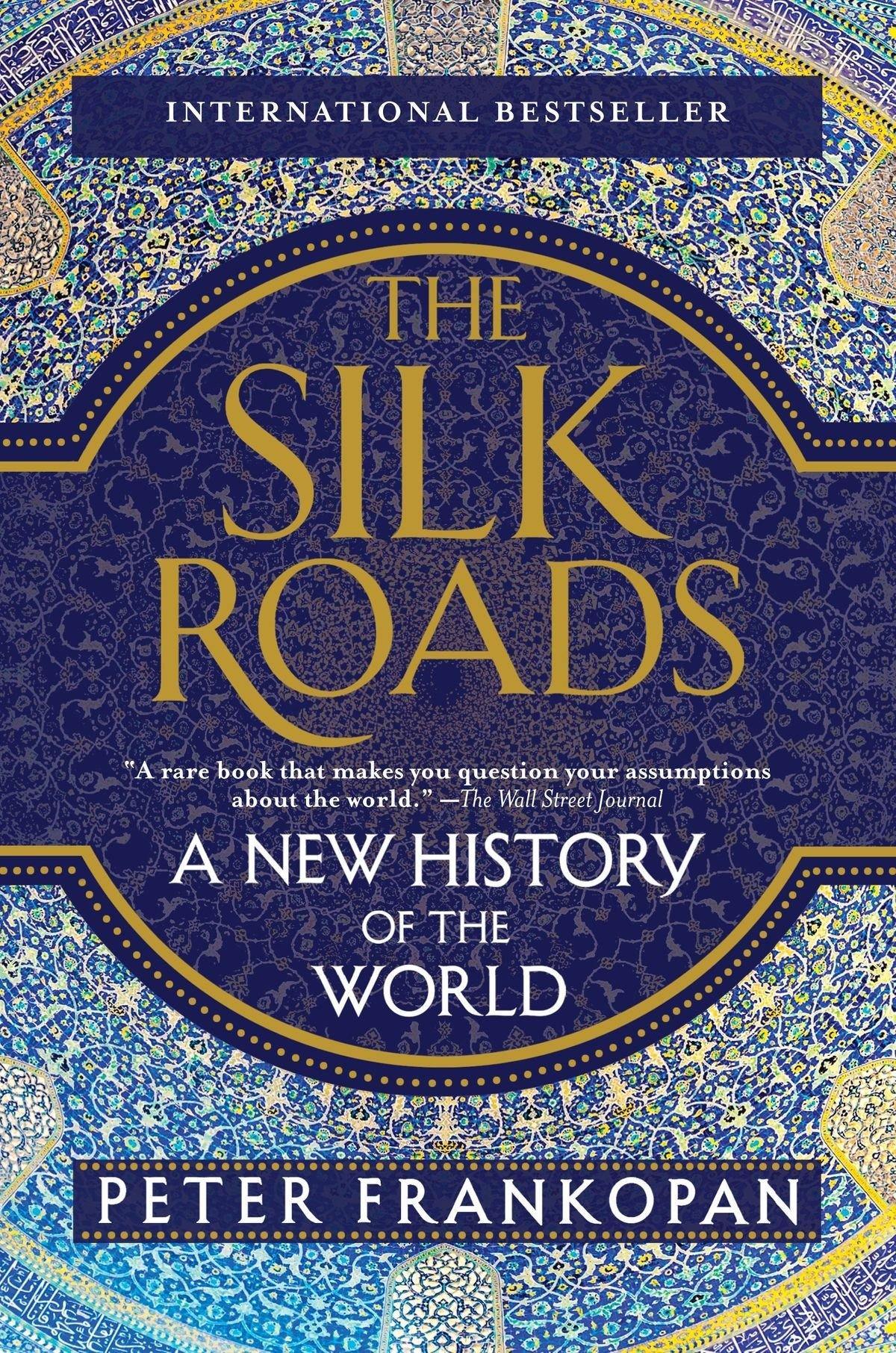
Peter Frankopan’s book The Silk Roads: A New History of the World was first published in 2015. It quickly became a best-seller and was translated into many languages.
The book gives a new way to look at world history. Instead of seeing history as something led only by Europe and the United States, it shows how Asia and the Middle East were central to the development of the world for thousands of years.
Frankopan takes the reader on a journey across time, starting from ancient history to modern times. He talks about empires, wars, religions, inventions, and trade—and how they all traveled along the Silk Roads.
Key Ideas from the Book
-
The Center of the World Was the East
Most history books say that Europe is the center of history. But Frankopan shows that the East—especially Persia, India, and China—was just as important, if not more.
The East had rich cultures, great cities, and strong empires long before the rise of Europe.
-
Trade Changed the World
Trade along the Silk Roads brought wealth and power to many countries. But it also brought wars, diseases, and conflicts. The sharing of goods helped cultures grow, but it also caused battles over control of trade routes.
-
Religion and Ideas Traveled Too
Along with goods, people also spread their religions and beliefs on the Silk Roads. For example, Buddhism spread from India to China, and Islam spread across the Middle East, Africa, and parts of Europe.
Ideas like mathematics, medicine, and astronomy also moved along these roads and helped many societies grow smarter and stronger.
-
Empires Rose and Fell
Frankopan tells stories of powerful empires like the Persian Empire, the Mongol Empire, the Ottoman Empire, and others. These empires ruled large areas and had big effects on the world’s future.
But none of them lasted forever. Frankopan explains how and why these empires rose and then fell.
-
The West’s Rise Was Connected to the East
Even when Europe became strong during the Age of Exploration and Colonialism, it often depended on the East. For example, Europe wanted spices from India and China. They also needed silk and gold. The search for faster routes to the East even led to the discovery of the Americas.
Modern Connections
Frankopan doesn’t stop at ancient history. He also talks about today’s world. For example:
- The Middle East is still very important because of oil and geography.
- Countries like China and India are becoming more powerful again.
- The idea of the “New Silk Road” (also called China’s Belt and Road Initiative) shows that the East is once again becoming central to global trade.
Peter Frankopan says that the East is rising again, just like it was long ago. So, if we want to understand the future, we must understand the past—especially the past of the East.
Why Is This Book Important?
- It Tells a New Story
Most schoolbooks teach history from a Western point of view. This book changes that by focusing on Asia, the Middle East, and Africa. - It Shows We Are All Connected
The Silk Roads helped connect people from all over the world. This shows that no part of the world is separate. What happens in one place can affect everyone. - It Helps Us Understand Today’s Problems
Many of the problems in the world today—like war, money issues, and religious fights—have roots in history. This book helps us understand how we got here. - It Inspires Young Learners
The book shows that history is not boring. It’s full of amazing stories about kings, queens, travelers, and even ordinary people who changed the world.
Other Books by Peter Frankopan
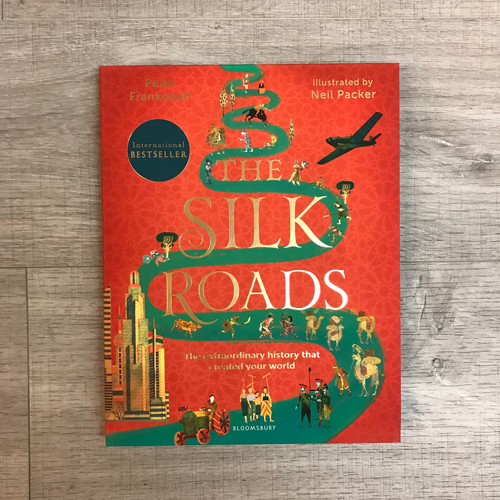
After The Silk Roads, Frankopan also wrote:
- The New Silk Roads (2018) – This book talks about how the world is changing today, especially in the East.
- The Earth Transformed (2023) – This book looks at how climate and the environment have shaped history.
Peter Frankopan’s The Silk Roads is more than just a history book. It is a new way of thinking about the world. By focusing on the East, Frankopan helps us understand the real connections between people, cultures, and countries. He reminds us that history is not only about the West. It’s about everyone and the Silk Roads are proof of that. If we want to build a better future, we must learn from the whole world’s past. Whether you’re a student, a teacher, or just someone who loves learning, The Silk Roads is a book that will open your mind and change how you see the world.