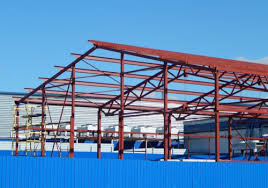
Imagine needing a new classroom, office, shop, or even a hospital wing but you don’t want to wait months or spend too much money. There’s a smart solution for that: prefabricated buildings. These are buildings made in pieces at a factory and sent to the place where they’re needed. Once delivered, the parts are put together quickly and safely. That’s what prefabricated building suppliers do: they create ready-to-use buildings that save time, money, and energy.
All over the world Europe, Africa, the Middle East, and America, people are using this smart way of building to grow their businesses, schools, and homes quickly and affordably.

What Are Prefabricated Buildings?
Prefabricated buildings are made in a factory, not at the construction site. The building is divided into parts or sections. These parts are packed and shipped to the final location, where they are put together like a big puzzle.
This modern way of building is popular because it:
-
Takes less time to build
-
Costs less money
-
Creates less waste
-
Can be taken apart and moved
-
Is strong and long-lasting
That’s why more people are choosing to work with trusted prefabricated building suppliers who know how to do the job well.
How Are Prefabricated Buildings Made?
Let’s break it down into easy steps. Most prefabricated building suppliers follow this process:
1. Step One: Understanding the Customer’s Needs
It starts with a simple conversation. The supplier talks with the customer to learn what they need. Do they want a classroom? A camp for workers? An office? Once they know the goal, they can suggest the best design and give a price.
2. Step Two: Designing the Building
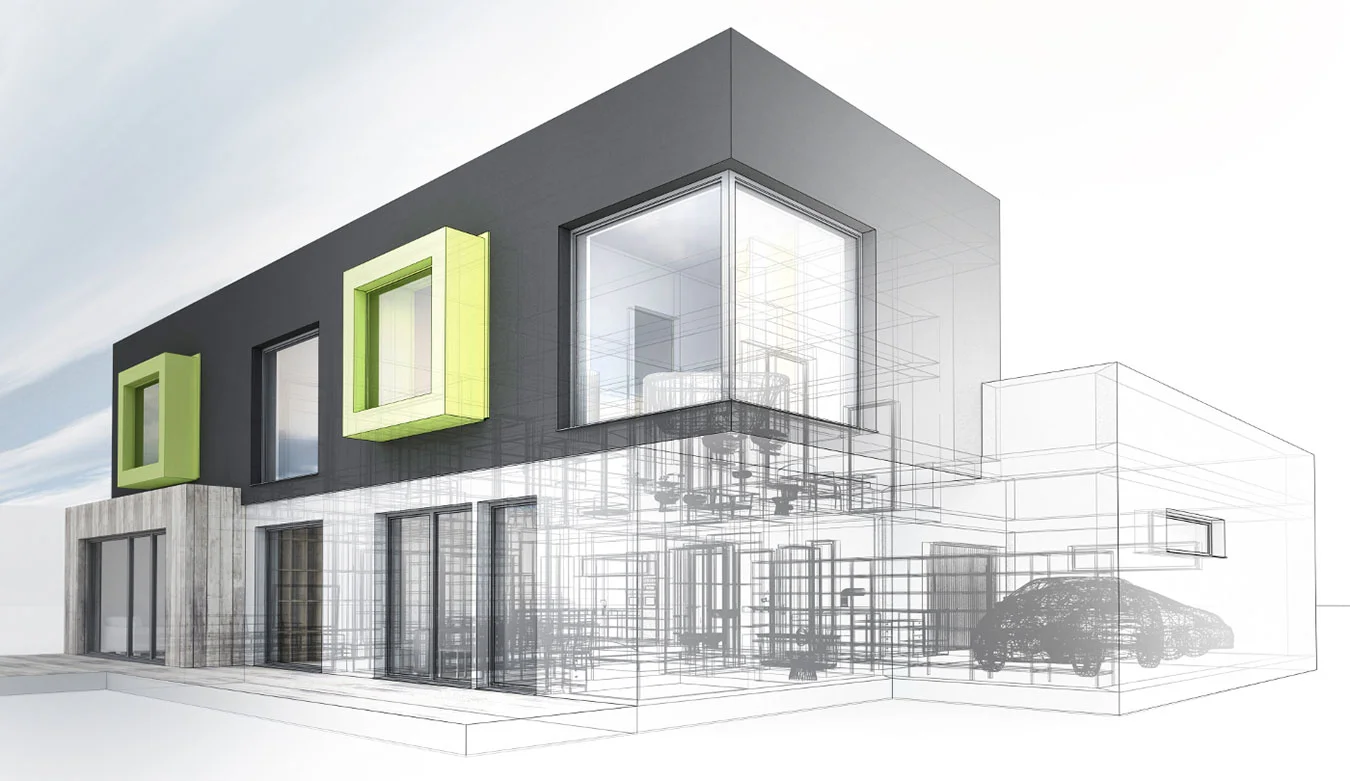
After the first meeting, designers and engineers create special plans called blueprints. These plans show exactly how the building will look. The building can be customized too—like adding extra doors, windows, or rooms.
3. Step Three: Building a Factory
The building parts are made in a clean, high-tech factory. Skilled workers use quality materials and tools to make strong pieces that follow safety rules. Since it’s done indoors, there are no weather delays or surprises.
After that, the building parts are packed into large containers so they can be shipped easily and safely.
4. Step Four: Shipping and Assembly
Once everything arrives at the site, it’s time to build! The parts are lifted and put together using cranes. Utilities like water and electricity are connected using special pre-made sockets. The whole process takes just a few hours or days instead of weeks or months.
For bigger buildings, the supplier may send a team to help with the setup.
Why Prefabricated Buildings Are a Great Idea
People love using prefabricated buildings because they offer so many benefits:
-
Time-Saving – Buildings are made faster than traditional ones.
-
Budget-Friendly – Costs are lower, and money is saved.
-
Strong and Reliable – High-quality materials make buildings last a long time.
-
Better for the Planet – Less waste and more eco-friendly practices.
-
Flexible – Can be moved, changed, or reused later.
These advantages make prefabricated buildings the top choice for schools, hospitals, offices, dorms, shops, and more.
How to Choose the Right Prefabricated Building Supplier
Not all suppliers are the same. To get the best building and best service, here’s what to look for when picking the right prefabricated building supplier:
1. Experience
Choose a supplier that has many years of experience. Look at past projects and ask how long they’ve been making prefabricated buildings. Good experience means better buildings and fewer mistakes.
2. Quality and Safety
Ask the supplier if they follow international safety and building rules. Great suppliers will have certificates and quality control checks to show that their buildings are safe and well-made.
3. Environment-Friendly Practices
The planet matters! Good prefabricated building suppliers care about the environment. Ask them if they recycle materials, save energy, or use eco-friendly systems in their factories.
4. Customer Support
Choose a supplier that helps from start to finish. That means helping with:
-
Design
-
Shipping
-
Assembly
-
Questions after delivery
Excellent support makes the whole process easy and worry-free.

Where Prefabricated Buildings Are Used
These types of buildings can be used almost anywhere, including:
-
Schools – Temporary or permanent classrooms
-
Offices – Fast office setups for small or big businesses
-
Hospitals – Medical rooms, labs, or extra space during emergencies
-
Worker Camps – For workers in oil, gas, mining, or construction
-
Shops and Cafés – Pop-up businesses or permanent retail spaces
-
Homes – Simple and fast living spaces
With the help of smart prefabricated building suppliers, all of this can be built faster, cheaper, and safer than ever before.
Prefabricated Building Suppliers Are Changing the Future
In today’s fast-moving world, people want things to be done quickly, safely, and affordably. That’s exactly what prefabricated building suppliers offer. Whether you’re building a school in a small village, an office in a busy city, or a medical center in the desert, prefabricated buildings are the smart choice.
They save money, protect the environment, and get finished faster than regular buildings. Best of all, trusted suppliers help you every step of the way from the first idea to the final building.
If you ever need a fast and flexible building solution, remember that working with the right prefabricated building supplier makes all the difference.